Post-consumer recycled content (PCR) is becoming an increasingly important consideration for CPG brands. State regulations introduce minimum recycled-content requirements and sustainability expectations continue to evolve. Brands are evaluating PCR not only for its environmental benefits, but also for its impact on packaging appearance, performance, cost, and compliance.
But adding PCR to a package isn’t as simple as choosing a recycled-content percentage.
The type and amount of PCR used, the material’s color and appearance, and the way manufacturers process the resin can all influence the finished package. For brands navigating changing regulations and growing sustainability requirements, understanding those variables is essential.
Here’s what CPG brands should know before making their next packaging decision.
Key Takeaways
For CPG brands, PCR is quickly becoming more than a sustainability initiative. Changing state requirements, EPR programs, and evolving recycled-resin options mean that the decisions you make today can affect compliance, packaging costs, performance, and brand appearance.
Here are the key things to know:
- PCR requirements are already in effect.
- Your packaging strategy may need to account for multiple state requirements.
- PCR can impact more than your resin cost.
- Not all PCR delivers the same result.
- Clear and gray PCR serve different applications.
- PCR decisions should happen early.
Need a Deeper Dive into PCR?
Understanding PCR requirements, material options, performance considerations, and compliance challenges can be complex.
Download our Post-Consumer Recycled Content Guide to explore key regulations, resin options, appearance considerations, and the questions to ask before making a packaging decision.
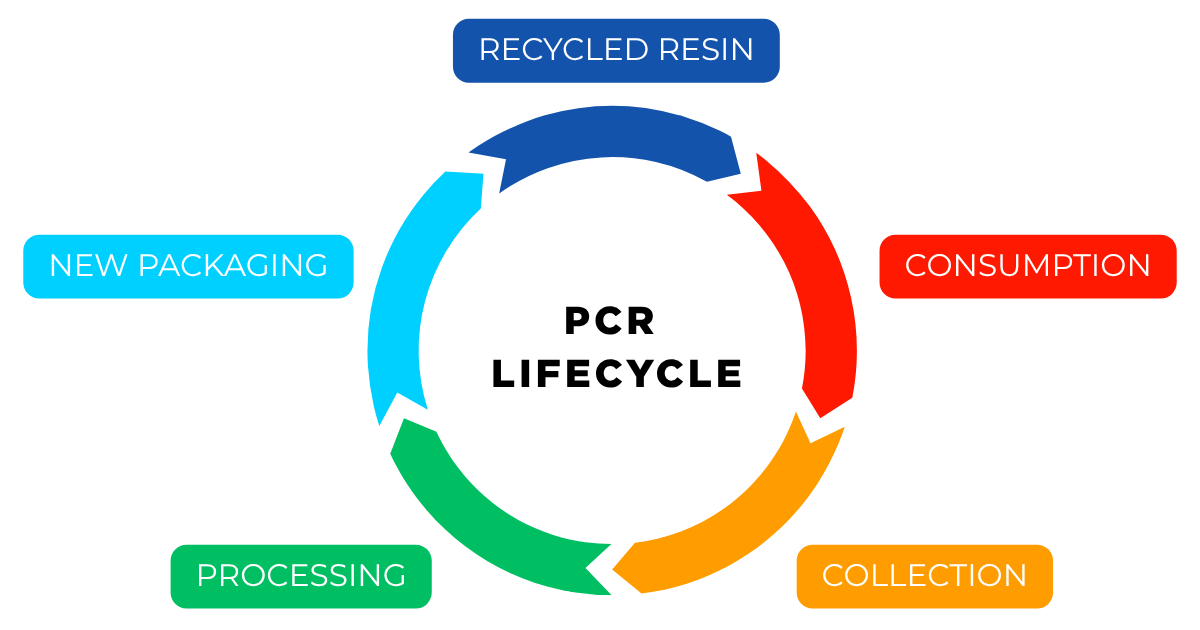
What Is Post-Consumer Recycled Resin?
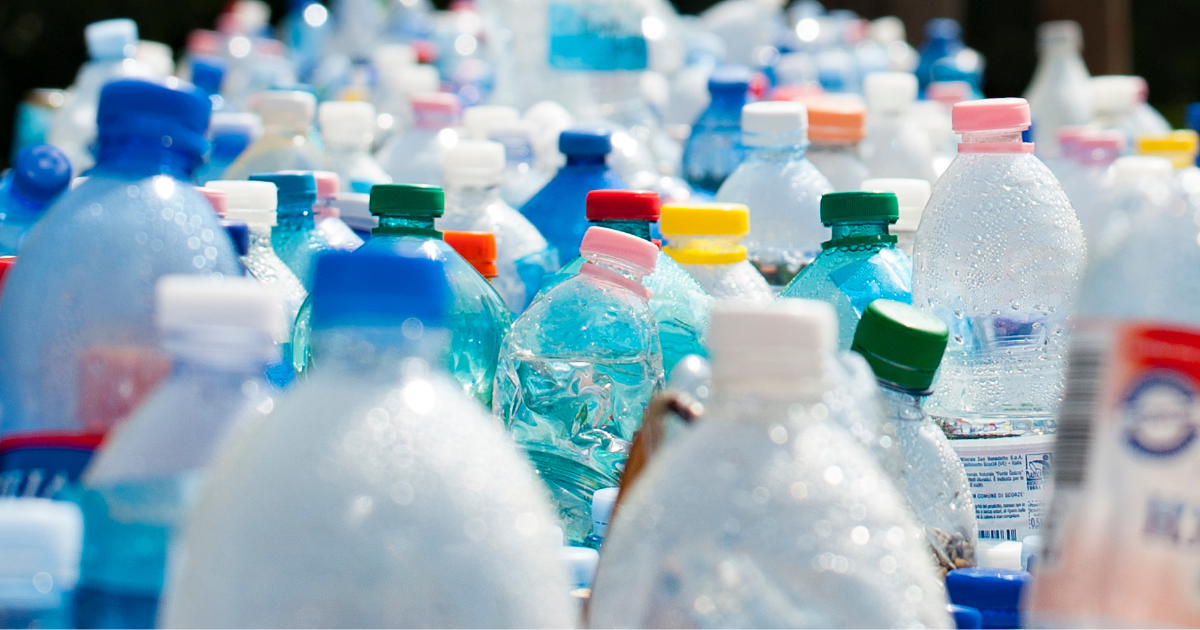
Post-consumer recycled resin comes from plastic products and packaging that consumers have already used and recycling programs have recovered. Rather than sending these materials to landfills, recyclers process and convert them into resin for new plastic packaging. Manufacturers can produce PCR from materials such as PET, HDPE and PP, helping reduce reliance on virgin plastic.
Because recycled resin generally requires less energy to produce than virgin plastic, incorporating PCR can also help reduce the carbon footprint associated with plastic production.
For CPG brands, however, the question isn’t simply “Should we use PCR?”
The better question is: What type and percentage of PCR makes sense for our product, packaging, market, and regulatory requirements?
Are You Affected by State PCR Laws?
If your products are sold across multiple states, PCR requirements may already be affecting your packaging strategy. Five states currently mandate PCR percentage requirements for certain plastic packaging applications.
And those requirements aren’t static. Several states have established phased increases in required recycled content.
| State | Legislation | Product Category | PCR Requirement Timeline |
|---|---|---|---|
| California | (AB 793) | Glass & plastic beverage bottles | 15% (2022) → 25% (2025) → 50% (2030) |
| Exemptions apply* | (SB 235) | Rigid plastic packaging containers | 25% (1995) |
| (SB 690) | Trash bags | 10% (1998) | |
| Washington | (SB 5022) | Plastic beverage bottles | 15% (2023) → 25% (2026) → 50% (2031) |
| (SB 5022) | Plastic wine containers (187mL); Dairy milk containers | 15% (2028) → 25% (2031) → 50% (2036) | |
| (SB 5022) | Plastic household cleaning & personal care products | 15% (2025) → 25% (2028) → 50% (2031) | |
| (SB 5022) | Plastic trash bags | 10% (2023) → 15% (2025) → 20% (2027) | |
| (SB 5323) | Reusable carryout bags | 40% (2022) | |
| New Jersey | (S2515) | Plastic beverage containers | 15% (2024) → +5% every 3 years → 50% final target |
| Food containers exempt until 2027* | (S2515) | All other rigid plastic containers | 10% (2024) → +10% every 3 years → 50% final target |
| (S2515) | Plastic carryout bags | 20% (2024) → 40% (2027) | |
| Varies by bag thickness* | (S2515) | Plastic trash bags | 5-20% (2024) → 10-40% (2027) |
| Maine | (LD 1467) | Plastic beverage containers | 25% (2026) → 30% (2031) |
| Connecticut | (HB 6664) | Plastic beverage containers | Report required by end of 2023; 25% (2027) → 30% (2032) |
What does this mean for CPG brands?
A PCR requirement in one state can create a packaging challenge across your broader distribution footprint.
If you sell the same product nationally, you may need to determine whether to create state-specific packaging or design your packaging around the highest applicable PCR requirement. Either approach can have implications for sourcing, inventory, production, cost, and supply chain complexity.
That’s why brands should evaluate and plan for PCR before they finalize packaging specifications, rather than react after a regulatory requirement takes effect.
Are You Paying More in EPR Fees Than Necessary?
PCR can also play a role in the economics of packaging beyond the cost of the resin itself.
Extended Producer Responsibility (EPR) programs are increasingly changing how brands think about packaging costs. In programs that use eco-modulation, fees can vary based on characteristics such as the environmental performance or recyclability of packaging.
For brands participating in applicable EPR programs, certified recycled content may be one factor worth evaluating when looking at potential fee structures and incentives.
That creates an important question:
Are you looking at PCR solely as an added packaging cost, or are you considering its potential impact on your total packaging economics?
The answer can depend on the specific state, packaging format, material, PCR percentage, certification, and applicable Producer Responsibility Organization (PRO) fee structure.
When evaluating PCR, consider the total cost of ownership, including:
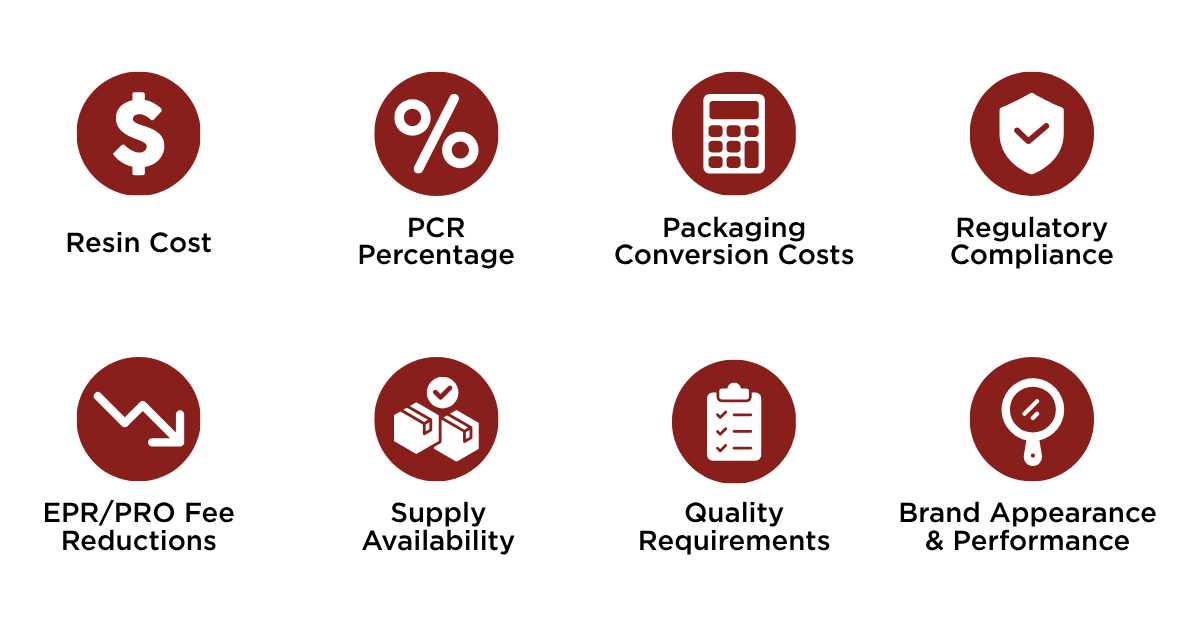
A strategic packaging partner can help evaluate these factors together rather than treating PCR as an isolated material decision.
Are You Getting the Most Out of Your PCR Investment?
Not all PCR is created equal.
Two packages could both contain 30% PCR but look and perform very differently depending on the type and quality of recycled resin being used. There are two primary forms of PCR: pellets and premix.
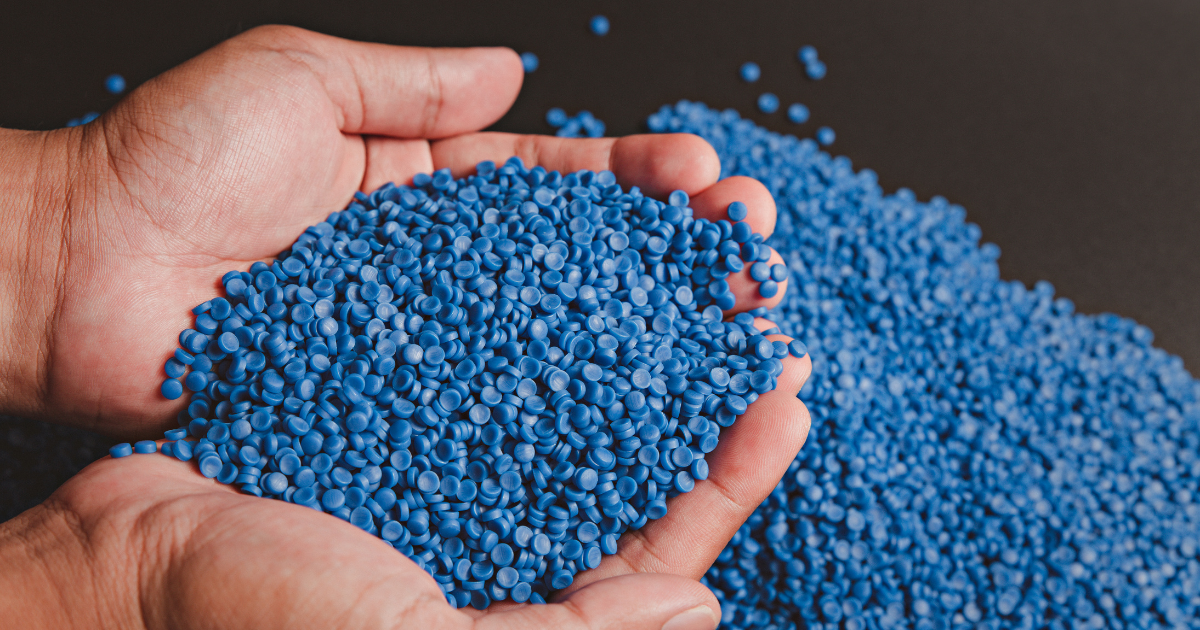
PCR Pellets
PCR pellets are pure recycled resin made from 100% recycled material. They are blended with virgin resin to achieve the desired PCR percentage in the finished product.
The advantage is flexibility. Pellets can allow brands to achieve a higher recycled-content percentage.
The tradeoff is consistency. Pure PCR can be less consistent than pre-mixed resin and may require machine tuning to achieve optimal processing.
PCR Premix
PCR premix is a pre-compounded resin in which PCR and virgin plastic have already been blended at a specific ratio.
Because the material is pre-compounded, it can minimize some of the variation and degradation associated with pure PCR. It can also run similarly to standard virgin resin and provide more consistent color and structural performance.
For brands where appearance and consistency are particularly important, premix can provide an easier path to incorporating PCR into high-quality packaging.
What Will Your Product Look Like with PCR?
One of the biggest misconceptions about PCR is that recycled content always looks the same.
It doesn’t. The appearance of PCR can vary significantly depending on how the recycled material has been sorted and processed.
Gray PCR
Gray PCR incorporates a larger mix of recycled plastics or a higher percentage of PCR without extensive color sorting.
As a result, it can have a slightly gray or yellowed tone and may have a more speckled finish. An opaque package can intentionally embrace the natural appearance of recycled material and make the use of PCR part of the brand’s sustainability story.
There are also ways to minimize the visual impact. For example, using PCR as a core layer within a multilayer package, with virgin material on the exterior and interior layers, can help reduce appearance issues.
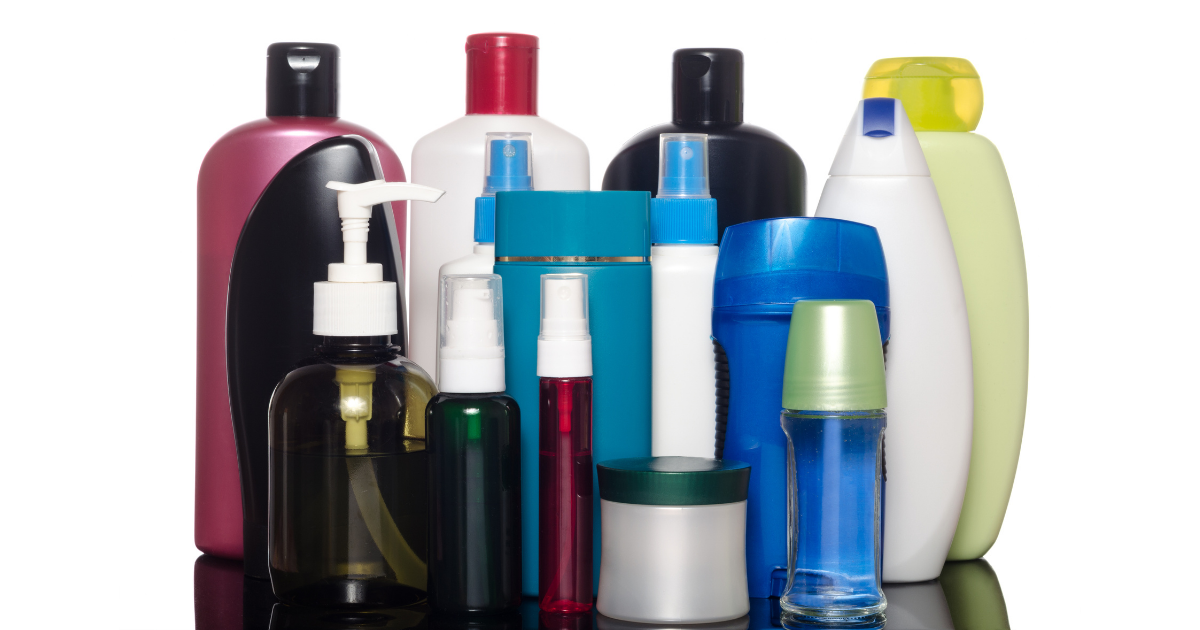
Clear PCR
Clear PCR is made from highly sorted post-consumer plastics and is mostly transparent. It is particularly sought after for premium packaging and applications where product visibility is important.
Clear PCR is generally the most expensive form of PCR and is typically available in PET. It can also develop a slight gray or yellow tint as PCR content increases, particularly above approximately 35%.
Ready to Evaluate Your PCR Strategy?
Choosing the right PCR solution involves balancing compliance requirements, package performance, brand expectations, supply availability, and cost.
Our PCR Planning Worksheet helps packaging teams organize requirements, compare options, and identify the right PCR approach before specifications are finalized.
PCR Considerations
For CPG brands, recycled content increasingly sits at the intersection of sustainability, regulation, packaging performance, and supply chain strategy.
A successful strategy requires looking beyond the percentage printed on a specification sheet.
Consider:
Material: Is the PCR PET, HDPE, or another material?
Color: Will the natural color variation affect your packaging design?
Percentage: What PCR percentage meets your regulatory and sustainability goals without compromising performance?
Supply: Is the desired grade and quantity consistently available?
Economics: What is the total cost after considering resin, compliance, and applicable EPR considerations?
These questions can help brands avoid paying for PCR that doesn’t deliver meaningful value, while also avoiding a last-minute scramble to meet changing requirements.
The Bottom Line: Don’t Treat PCR as a Checkbox
PCR is becoming an increasingly important component of packaging strategy. But simply adding recycled content to a package doesn’t guarantee that you’re getting the best result. For CPG brands navigating new PCR requirements, EPR considerations, and sustainability goals, the best approach is to evaluate PCR as part of the entire packaging and supply chain strategy.
At Gamer Packaging, we can help you evaluate material options, PCR percentages, packaging performance, and sourcing considerations to identify a solution that fits your product and business goals.
Have questions about PCR or upcoming recycled-content requirements? Talk to our packaging team.
Disclaimer: This is not legal advice. PCR requirements can change and may vary based on packaging type, exemptions and other factors. Always verify current requirements before making compliance decisions or finalizing packaging specifications.
Keep Exploring: More Insights & Trends
- How Better Inventory Forecasting Reduces Supply Chain Risk for CPG Brands

- What CPG Brands Need to Know About PCR in Packaging
- The Cost of Waiting: How Packaging Delays Create Lost Sales, Missed Launches, and Supply Chain Risk
- Beyond the First Sip: Why Beverage Brands Are Going Resealable
- The Hidden Cost of Transactional Packaging Suppliers

- Packaging Trends Shaping CPG Brands