
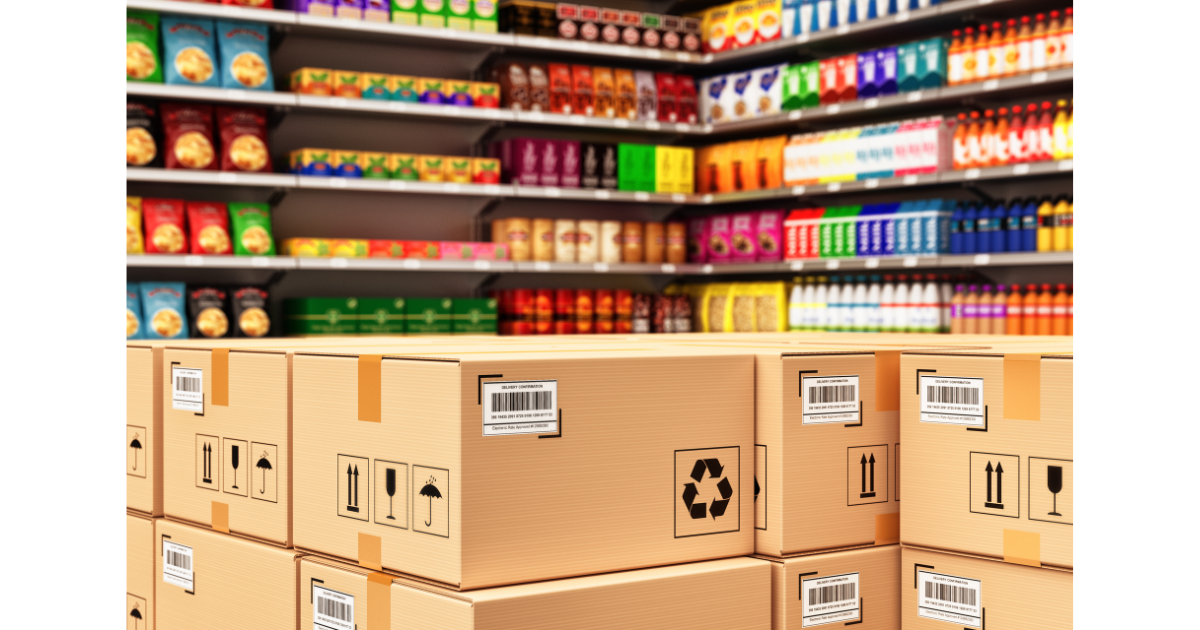
Why Forecasting Matters More Than Ever
A product launch can be perfectly executed, retailer demand can be strong, and marketing can do its job, yet brands still lose revenue because inventory was not where it needed to be when it mattered most.
For CPG companies, inventory forecasting is one of the most important factors in supply chain performance. Demand can shift quickly due to promotions, consumer trends, retailer activity, seasonality, or broader market disruptions. When forecasts miss the mark, the consequences appear throughout the business, from manufacturing and packaging procurement to transportation costs and customer satisfaction.
The challenge is finding the right balance. Too little inventory creates stockouts and lost sales. Too much inventory ties up cash, increases storage costs, and creates unnecessary risk. Effective inventory forecasting helps brands make smarter decisions before problems occur. It improves visibility, strengthens supplier collaboration, and creates a more resilient supply chain that can adapt to changing market conditions.
What Is Inventory Forecasting?
At its simplest, inventory forecasting is the process of predicting future inventory requirements based on available demand signals.
These signals may include:
- Historical sales data
- Seasonal buying patterns
- Promotional calendars
- Retailer forecasts
- Market trends
- Product launches
- Economic and industry factors
The goal is to determine what inventory will be needed, when it will be needed, and in what quantities.
For CPG brands, forecasting goes beyond finished goods. It also influences decisions about packaging materials, production schedules, transportation planning, and warehouse capacity.
When forecasting is accurate, teams can purchase materials more strategically, optimize manufacturing runs, and maintain service levels without carrying excessive inventory.
The Hidden Costs of Poor Inventory Forecasting
Most businesses understand the obvious impact of running out of stock. What is often overlooked are the secondary costs that quietly erode margins and operational performance.
Stockouts and Lost Revenue
The most visible consequence of poor forecasting is product unavailability.
When consumers cannot find a product on the shelf or online, brands lose immediate sales opportunities. In many cases, consumers simply purchase a competing product instead.
The damage often extends beyond a single transaction. Retailers expect suppliers to maintain inventory levels. Consistent stockouts can weaken retailer relationships and make it more difficult to secure shelf space, promotional opportunities, or future expansion.
A common mistake brands make is assuming demand will remain steady after a successful promotion. If replenishment plans are not adjusted, strong demand can quickly turn into empty shelves and missed revenue.
Excess Inventory and Higher Costs
Overforecasting creates a different set of challenges.
Excess inventory increases warehousing expenses and consumes working capital that could be invested elsewhere in the business. Products or packaging materials may sit idle for months, reducing inventory turns and limiting flexibility.
For seasonal products, the stakes are even higher. Packaging created for a holiday promotion or limited-time offering can quickly become obsolete when demand falls short of expectations. The cost extends beyond storage expenses. Every dollar tied up in excess inventory is capital that cannot be invested elsewhere to support growth or generate revenue.

Increased Supply Chain Volatility
Poor forecasts often trigger reactive decisions.
Last-minute purchase orders, expedited freight, production schedule changes, and emergency inventory transfers become common when demand surprises the organization. These actions drive up costs while creating stress throughout the supply chain.
For example, a brand that suddenly needs packaging components to support an unexpected demand spike may face premium freight charges, limited material availability, or extended lead times. What starts as a forecasting issue can quickly become an operations problem affecting multiple departments.
How Better Inventory Forecasting Reduces Supply Chain Risk
Improves Product Availability
Accurate forecasting provides a stronger foundation for demand planning.
When inventory requirements are better understood, brands can maintain higher service levels while reducing the risk of stockouts. Retailers receive products when expected, consumers find products available for purchase, and sales opportunities are protected.
In practical terms, this means fewer disruptions during promotional events, new product launches, and seasonal demand increases.
Creates Greater Supply Chain Agility
Forecasting is not about predicting the future perfectly. It is about gaining visibility early enough to respond effectively. Brands that continuously monitor demand trends can identify changes sooner and take corrective action before issues become costly.
For example, if sales data shows demand increasing faster than expected, procurement teams can secure packaging inventory earlier, production schedules can be adjusted, and transportation capacity can be planned proactively. Without that visibility, organizations are forced into reactive decision-making.
Supports More Efficient Procurement
Packaging and raw material purchasing become significantly more efficient when reliable forecasts are available.
Procurement teams can place orders based on expected demand rather than uncertainty. Production teams can schedule longer, more efficient manufacturing runs. Suppliers gain advance visibility that allows them to allocate inventory and capacity more effectively.
This is particularly important during periods of constrained supply, when waiting too long to order materials can result in extended lead times or shortages.
Helps Protect Profit Margins
Every supply chain decision has a financial impact. Better forecasting helps reduce carrying costs, minimize waste, lower emergency freight spending, and improve purchasing efficiency.
When businesses gain greater predictability across sourcing, production, and transportation, costs become more controllable and margins become easier to protect.
Inventory Forecasting Best Practices for CPG Brands
Leverage Multiple Data Sources
Strong forecasts are built from multiple inputs rather than historical sales data alone.
Sales history provides a baseline, but it should be supplemented with promotional plans, seasonality patterns, retailer insights, and market intelligence. The more comprehensive the data set, the more accurate planning decisions become.
Collaborate Across Departments
Forecasting is most effective when it is a team effort. Sales teams understand what customers are buying, marketing teams know which promotions may influence demand, operations teams can identify production limitations, and procurement teams have insight into supplier capacity. Bringing these perspectives together creates a more complete and accurate view of future demand, helping organizations make better-informed decisions.
Continuously Monitor and Adjust Forecasts
Another common mistake is treating forecasting as a one-and-done exercise.
Demand conditions change constantly. Consumer preferences shift, promotions outperform expectations, and external events influence purchasing behavior. Leading brands regularly review forecast performance and make adjustments as new information becomes available.
Build Strong Supplier Partnerships
Forecasting becomes significantly more effective when suppliers are included in the planning process.
Sharing forecast data with key suppliers improves visibility across the supply chain and allows partners to better prepare for future demand. This collaboration helps suppliers manage capacity, secure materials, and support customers more effectively during periods of growth or disruption.

Decision Insight: What to Look for in a Packaging Partner
Not all packaging suppliers contribute equally to forecasting success. Many suppliers simply fulfill purchase orders. Strategic partners help brands reduce risk before orders are placed.
When evaluating packaging suppliers, consider these questions:
- Can they provide realistic guidance on lead times and capacity?
- Do they proactively communicate market risks and material constraints?
- Are they willing to review forecasts and planning assumptions?
- Can they support seasonal demand swings and product launches?
- Do they offer inventory management strategies that improve continuity?
The lowest-cost supplier may not provide the visibility or flexibility needed during periods of uncertainty.
Brands should evaluate suppliers based on total business impact, including reliability, responsiveness, inventory planning support, and risk mitigation capabilities. A small price difference often becomes insignificant when compared to the cost of a stockout, production delay, or missed retail opportunity.
The Role of Packaging Suppliers in Forecasting Success
Supplier collaboration plays a critical role in reducing supply chain risk.
Packaging suppliers often have visibility into material availability, production trends, lead-time changes, and broader market conditions. Sharing forecasts early allows both parties to identify potential risks before they become disruptions.
At Gamer Packaging, partnership is a core part of the process. Through ongoing communication, proactive planning, and packaging inventory strategies tailored to customer needs, we help brands improve visibility and reduce uncertainty.
Whether preparing for seasonal demand spikes, supporting new product launches, or navigating supply chain challenges, the focus remains the same: helping customers maintain continuity while reducing operational risk.
Forecasting Is a Competitive Advantage
Inventory forecasting is no longer just an operational function. It is a strategic capability that directly influences revenue, profitability, customer satisfaction, and supply chain resilience. Brands that forecast effectively are better positioned to avoid stockouts, control inventory costs, improve procurement decisions, and respond to changing market conditions with confidence.
The most successful forecasting strategies combine accurate data, cross-functional collaboration, and strong supplier partnerships. When those elements work together, supply chains become more predictable, efficient, and resilient.
If you’re evaluating ways to strengthen your inventory planning process, start by assessing the role your packaging partners play in forecasting success.
Gamer Packaging works closely with CPG brands to improve visibility, support inventory planning, and help ensure packaging is available when it’s needed most. Start a conversation to explore how a more collaborative approach can strengthen your supply chain strategy.
Keep Exploring: More Insights & Trends
- How Better Inventory Forecasting Reduces Supply Chain Risk for CPG Brands

- What CPG Brands Need to Know About PCR in Packaging

- The Cost of Waiting: How Packaging Delays Create Lost Sales, Missed Launches, and Supply Chain Risk

- Beyond the First Sip: Why Beverage Brands Are Going Resealable
- The Hidden Cost of Transactional Packaging Suppliers

- Packaging Trends Shaping CPG Brands