
The Packaging Shift: Why Design, Materials, and Data Are Now Competing for Margin

Packaging Is Changing Fast. Most Strategies Haven’t Caught Up.
Most brands are investing in packaging trends, but very few are capturing the value.
Design teams want bolder, more differentiated packaging. Sustainability teams are pushing new materials. Innovation teams are layering in QR codes and connected experiences. Each initiative makes sense. But they are rarely aligned.
The result shows up quickly:
- Higher cost per unit
- More supply chain friction
- Forecasting challenges from SKU growth
The problem is not the packaging trends. The problem is how they are managed.
Packaging decisions are becoming more complex, but most organizations are still sourcing as if packaging is a simple input. That gap is where margin gets lost.
Design-Led Packaging Trends Are Increasing Operational Complexity
Shelf differentiation matters more than ever. Brands are leaning into:
- Limited runs and seasonal packaging
- Regional variations
- Unique shapes and finishes
These packaging trends are helping brands differentiate on crowded shelves, but they also fundamentally reshape the production model. Shorter runs and faster refresh cycles increase the need for frequent changeovers, introduce greater scheduling complexity, and reduce overall production efficiency. The impact extends beyond manufacturing into inventory management, where the increase in SKUs can create additional strain. As product variation increases, inventory becomes fragmented across locations, raising the risk of dead stock while simultaneously increasing the likelihood of stockouts on high-performing items.
Example: A beverage brand launches three regional designs. One market takes off. The others underperform. Inventory is locked in the wrong places, and replenishment takes too long. Now the brand is expediting freight and tying up working capital.
Design is no longer just a branding exercise. It is an operational decision.
If your packaging supply chain cannot support speed and flexibility, design-driven growth turns into margin pressure.

Sustainable Packaging Trends Are Outpacing Operational Readiness
Among today’s fastest-growing packaging trends are recycled materials, lightweight packaging, and reduced-plastic formats. While these initiatives support sustainability goals, they can also introduce new operational complexities.
For example, one of the most common mistakes is treating material changes as isolated decisions.
In reality, material changes impact:
- Filling line performance
- Transportation durability
- Storage conditions
A material that works in concept may fail in execution.
Example: A brand transitions to a lighter-weight container to reduce material usage. It performs well in testing. In distribution, damage rates increase, leading to product loss and retailer complaints.
Another overlooked risk is supply stability.
Sustainable materials can often come with:
- Fewer qualified suppliers
- Longer and less predictable lead times
- Increased exposure to cost fluctuations
This creates a new layer of sourcing risk.
Sustainability is not just about what the package is made of. It is about whether your supply chain can support it consistently.
Smart Packaging Is Creating a New Data Opportunity
One of the fastest-evolving packaging trends is the rise of connected packaging through QR codes and digital experiences.
Brands are using them for:
- Product education
- Promotions and loyalty programs
- Transparency and traceability
This changes the role of packaging into a communication channel where every unit on the shelf has the potential to generate data. But most brands are not structured to take advantage of it.
Common gaps include:
- QR experiences that lead to static or generic pages
- No integration with CRM or marketing platforms
- No plan for ongoing content updates
The result is missed opportunity.
Example: A food brand adds QR codes to drive engagement. Initial scan rates are strong. Within months, engagement drops because the experience never changes.
The investment in packaging is there. The data capture is not.
Packaging is becoming a media channel. Without a strategy, it adds cost without delivering insight.

The Real Challenge: Complexity Across Design, Materials, and Technology
Today’s packaging trends are deeply interconnected, so one packaging change can create ripple effects across design, materials, and technology:
- A new material can impact print quality or color consistency
- QR codes require space, durability, and proper placement
- Design adjustments can affect scan rates and usability
This creates a coordination challenge where packaging now sits at the intersection of the Marketing, Procurement, and Operations teams. Without alignment, teams end up working against each other, which leads to late-stage redesigns, delayed product launches, and higher costs from rework.
Another hidden risk is supplier fragmentation. When different supplier partners handle design execution, material sourcing, and innovation, accountability becomes unclear. Problems surface later and take longer to fix.
The competitive advantage is not in adopting trends. It is in managing how they work together.
What to Look for in a Packaging Partner
As packaging becomes more complex, a brand’s supplier selection also needs to evolve.
Focusing only on unit cost is where most strategies break down. Instead, high-performing brands look for partners who can support the full system.
✅ Production Flexibility
Your packaging partner should be able to:
- Handle shorter runs without excessive cost increases
- Support faster changeovers
- Adapt to frequent design updates
This is critical for brands investing in differentiated packaging.
✅ Reliable Material Sourcing
Look for:
- Access to multiple material options
- Proven supply continuity
- Experience with sustainable materials
This reduces exposure to delays and inconsistency.
✅ Operational Alignment
A strong partner can advise on:
- Filling line compatibility
- Storage and transportation requirements
- SKU rationalization opportunities
This prevents costly misalignment between packaging and operations.
✅ Innovation Without Added Complexity
Your partner should help you:
- Introduce smart packaging capabilities
- Standardize where possible
- Scale new initiatives efficiently
The goal is to add capability without adding friction.
The shift is clear. The right partner reduces total system cost, not just packaging cost.
What Leading Brands Are Doing Differently
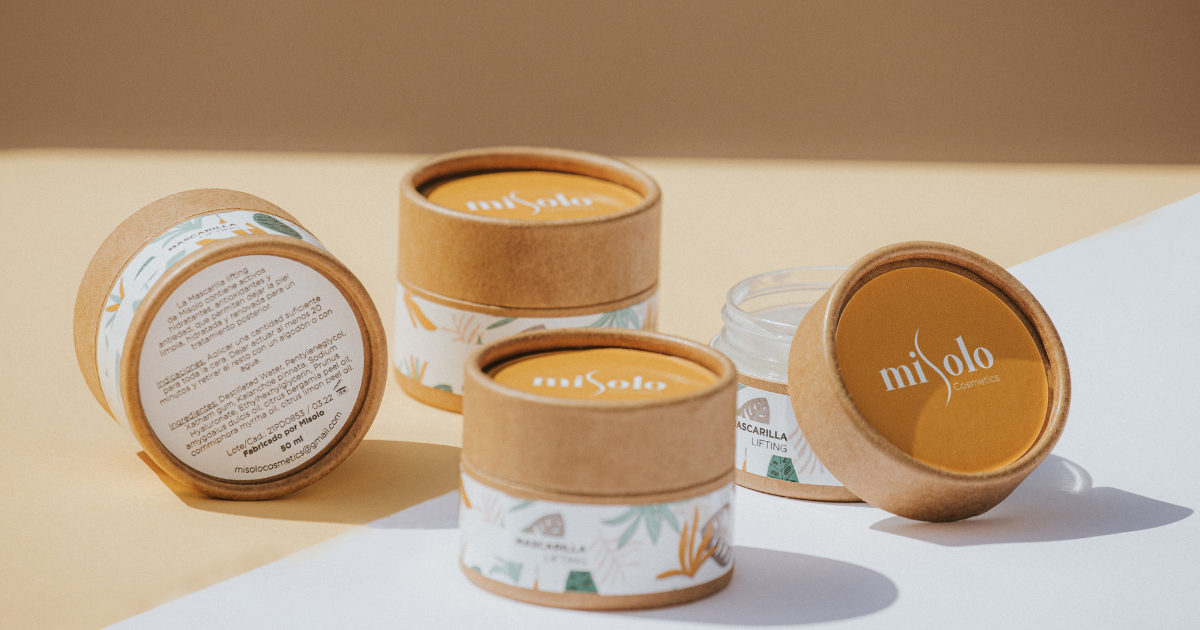
Brands that are getting this right are not chasing every packaging trend. They are managing packaging as a strategic function, with cross-functional alignment early in the process, SKU rationalization to control complexity, and scalable packaging platforms that can support growth instead of one-off designs that add friction. They also choose partners differently, moving away from transactional relationships in favor of partners who can flex with demand changes, secure consistent material supply, and support innovation across multiple initiatives. The result is measurable: faster product launches, fewer supply disruptions, and stronger margin control.
Practical Takeaways
If packaging is creating more pressure than value, it is time to reassess.
Start with a few key actions:
- Audit packaging complexity
Identify where design variation, material changes, or tech features are increasing cost or risk - Align teams early
Bring marketing, procurement, and operations into the same decision-making process - Prioritize flexibility in supplier selection
Evaluate how well partners handle change, not just how they price static programs - Build a packaging roadmap
Plan how design, sustainability, and technology will evolve together - Define your data strategy
If you are investing in smart packaging, be clear about how data will be captured and used
Conclusion
Packaging is no longer a downstream decision. It directly impacts growth, cost, and supply chain performance. The challenge is not adopting new packaging trends. It is managing the complexity they create.
The brands that will win are those that can evaluate emerging packaging trends strategically and build packaging systems that support growth, resilience, and profitability. Brands that integrate design, sustainability, and technology into one cohesive strategy will move faster and operate more efficiently. Those that do not will continue to see margin pressure, even as they invest more.
Do you need help evaluating whether your packaging strategy is helping or hurting your growth?
Keep Exploring: More Insights & Trends
- How Better Inventory Forecasting Reduces Supply Chain Risk for CPG Brands

- What CPG Brands Need to Know About PCR in Packaging
- The Cost of Waiting: How Packaging Delays Create Lost Sales, Missed Launches, and Supply Chain Risk

- Beyond the First Sip: Why Beverage Brands Are Going Resealable

- The Hidden Cost of Transactional Packaging Suppliers