
What Beverage Brands Should Know About Material Performance, Product Freshness, and Consumer Experience
When it comes to packaging beverages, the debate between aluminum cans vs. plastic bottles goes far beyond aesthetics. It’s also about how each format interacts with your product, supply chain, and end consumer. From carbonation retention to brand perception, the materials you choose directly influence product performance and customer satisfaction.
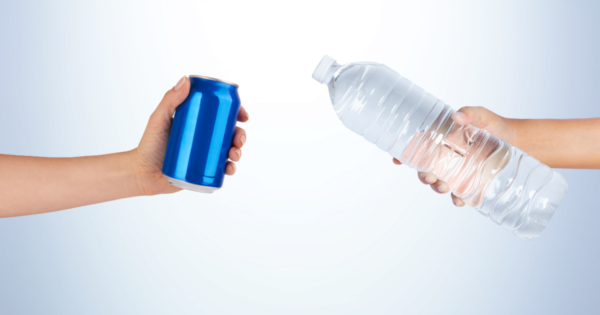
While both aluminum and plastic packaging have widespread use in the beverage industry, they offer distinct advantages depending on your goals. Here’s how they compare.
Barrier Properties and Product Freshness
Both plastic bottles and aluminum cans serve the primary purpose of protecting a beverage, but they do so in different ways.
Plastic bottles are known for being lightweight, shatter-resistant, and convenient for resealing. However, they’re slightly permeable by nature. Over time, oxygen can enter and carbonation can escape, which may affect taste, aroma, or mouthfeel—particularly in products that are carbonated or contain sensitive ingredients.
Aluminum cans, in contrast, offer a nearly airtight seal. Their metal barrier helps limit oxygen ingress and carbonation loss, making them well-suited for beverages where preserving taste, aroma, or potency is key.
For brands that prioritize a long shelf life or need to preserve sensitive formulations, these packaging differences matter.
Consumer Experience and Packaging Performance
The experience your customer has from first sip to last often hinges on packaging.
Plastic bottles offer resealability and are typically favored for multi-serving formats, sports drinks, or beverages designed to be consumed on the go. Consumers appreciate the ability to drink at their own pace and save the rest for later.


Aluminum cans, on the other hand, are generally consumed in a single sitting. But, with new innovations like resealable can ends, aluminum cans are evolving in this space. Resealable ends offer the same freshness and protection of traditional cans along with the added benefit of being resealed and safely stored for later use.
This opens up new possibilities for canned formats, particularly for consumers who value both freshness and flexibility.
Brand Positioning and Shelf Appeal
Plastic bottles tend to align with value-oriented, functional, or family-size beverage options. Their clear design allows the product to be visible, which can be advantageous for certain types of drinks such as juices or wellness beverages.
Aluminum cans offer a modern, sleek appearance that’s widely associated with premium and craft products—such as sparkling waters, energy drinks, or alcohol alternatives. With 360-degree printing and design flexibility, cans offer bold branding potential and strong shelf impact.
Depending on your target market, one format may align better with your visual identity or product positioning.
Sustainability Considerations
Sustainability remains a top concern across the beverage industry, and both aluminum and plastic have unique environmental implications.
Aluminum is infinitely recyclable without degradation, meaning it can be reused indefinitely without losing performance or purity. Many consumers view aluminum packaging as a more eco-friendly option due to this recyclability and the growing demand for circular packaging solutions.

Plastic bottles are also widely recycled, but the recycling process is more complex, and plastic can degrade over time with each cycle. However, advances in manufacturing and rPET (recycled PET) content are helping make plastic bottles more sustainable.
Brands looking to strengthen their sustainability story should consider the full lifecycle and regional recycling infrastructure of each material.
Making the Right Choice for Your Beverage Brand
There’s no one-size-fits-all answer when it comes to aluminum cans vs. plastic bottles. Each format offers different benefits depending on your beverage type, brand positioning, consumer use case, and environmental goals.
Understanding the strengths of each material can help you align your packaging strategy with product performance, operational efficiency, and market expectations.
Need Help Evaluating Your Options?
Our team helps beverage brands explore both stock and custom packaging solutions that support product quality and long-term growth. Whether you’re scaling a new SKU or revamping your packaging line, let’s talk about what format fits your future.
Learn More About Resealable Can Ends
One of the most significant emerging trends is resealable packaging, which is revolutionizing the way people experience beverages on the go. See how the XO resealable can end combines convenience, sustainability, and safety into one innovative packaging component.

Keep Exploring: More Insights & Trends
- How Better Inventory Forecasting Reduces Supply Chain Risk for CPG Brands

- What CPG Brands Need to Know About PCR in Packaging
- The Cost of Waiting: How Packaging Delays Create Lost Sales, Missed Launches, and Supply Chain Risk

- Beyond the First Sip: Why Beverage Brands Are Going Resealable

- The Hidden Cost of Transactional Packaging Suppliers

- Packaging Trends Shaping CPG Brands